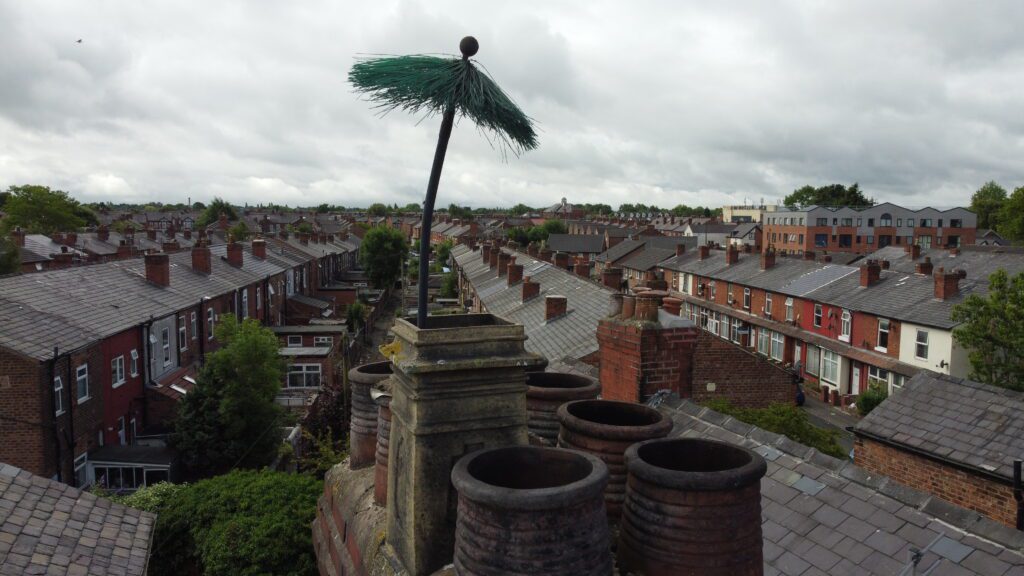
Having a stove installed is incredibly exciting – but you’ll soon have a tonne of questions!
After all, it’s not like a TV which you can simply turn on and off and it works. So have to know exactly how to get the best out of it.
Here’s 10 facts which EVERY new stove owner needs to know…
#1 – Only Have Small Kindling Fires At First
The temptation is to get a ‘roaring fire’ going straight away – but that could cause longer-term issues.
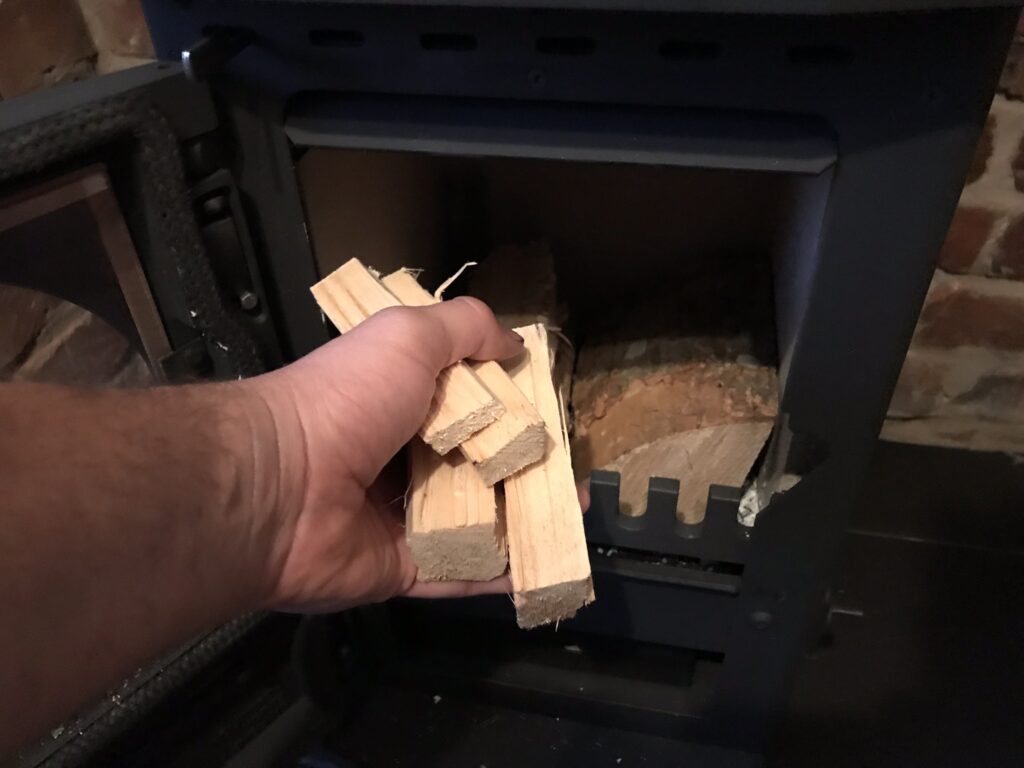
This is because paint on the fire needs to ‘cure’ first. So that means having maybe five or six small kindling fires before you really start to fire it up.
These small fires will release enough heat to help the curing process; therefore keeping the paintwork in tact longer and stop it from crazing or cracking.
#2 – ‘Smoky and Smelly’ New Stoves Are Normal
Because the paint is curing, you’ll get a faint ‘haze’ of smoke in the room. In some cases you may have to open the window.
Again, this is perfectly normal, as is the slightly weird oily-type smell. This is a byproduct of not only the stove paint curing, but the oils on the liner burning off. Oil is used during the production process, so will be discharged when heat is applied.

#3 – Only Burn Manufacturer Recommended Fuels
Usually this means seasoned or kiln dried logs, or approved smokeless coal.
Don’t be tempted to use your new stove as a waste disposal unit; it’s not made for that. Save your timber offcuts, pallets and waste paper for something else – otherwise you could end up damaging your stove and invalidating any warranties.
We recommend getting a few bags of Ready To Burn logs in the beginning, as this wood is dry and gives you the best chance to experiment with your new appliance. Kiln dried birch is great for getting a fire going, but we’d recommend a harder wood like ash once the fire is ’in’ as birch burns quite quicky in a hot fire.
#4 – Learn How To Use The Air Controls
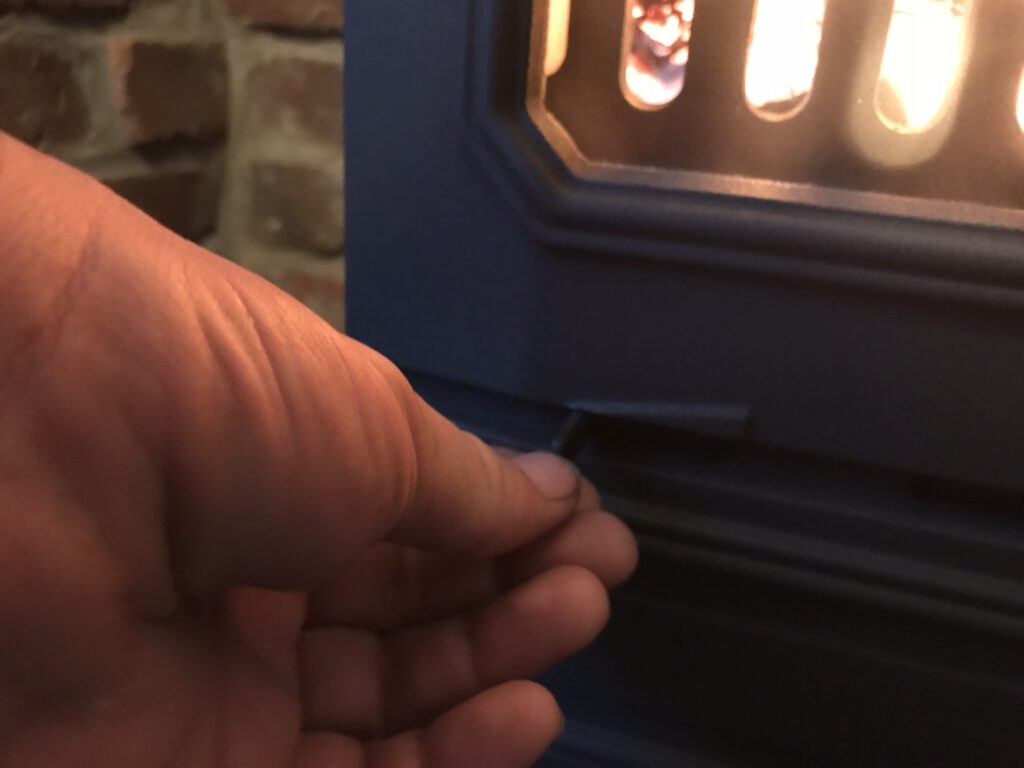
While reading the instruction manual may be boring, it’s absolutely essential. And none more so than learning to use your stove’s air controls properly.
Fire needs oxygen; the less it has, the worse it will burn. This is not only bad for the environment, but it can cause real problems with your chimney and waste money.
Take the time to read the operating instructions in tandem with the great advice at Burnright. It’ll save you a heap of trouble in the future.
#5 – Don’t Mix Logs & Smokeless Coal In The Same Fire
The term ’multi fuel’ is widely misunderstood. It means it can burn both logs and smokeless coal. But NOT in the same fire for prolonged periods of time.
There’s two reasons for this. Firstly, logs and mineral fuels burn in different ways and pull air from different parts of the appliance.
Secondly, the moisture from the wood and sulphur from the coal creates sulphuric acid – great for corroding and therefore wrecking your chimney liner.
Our advice is simple – if you’re starting a fire, stick to one fuel and burn it hot. One day that may be wood, the next it may be smokeless. That’s fine, but don’t combine them.

#6 – Learn ‘Top-Down’ Burning
This Scandinavian way of starting a fire is really catching on in the UK. And once you try it, it’s easy to see why.
Because not only is it better for the environment, but it can help get a fire established much quicker and reduce the chances of smoke coming back down the chimney.
Watch this ‘how to’ video for the ultimate guide…
#7 – Overnight Burning Is NOT A Great Idea
We know how massively tempting it is to want to keep the fire ‘in’ to ensure it’s still warm in the morning.
But most new stoves simply aren’t designed for this. If you try it, you’ll be producing tonnes of smoke, and be slowly damaging your metal flue liner. Why? Because you’re starving the fire of the very thing it needs to work efficiently – oxygen.
It’s much better all round to simply let the fire go out at night and relight it the following morning.
By doing this, you’re saving money, reducing emissions and causing fewer potential future problems for your chimney.

#8 – Beware ‘Blowback’ On Refuelling
Smoke coming back at your when you open the stove door? Newer stoves are prone to this problem, because of their efficiency and the way they are designed.
Here’s a video on the right way to refuel without getting a plume of smoke in your face..
#9 – Don’t Stack Logs Against Your Stove
Yes, you see it in magazines and even some stove manufacturer brochures (!) but stacking logs against your stove is a bad idea.
Firstly, the logs will get hot and start burning, which is both a fire hazard and a carbon monoxide risk.
Secondly, your stove needs air around it to not only disperse heat, but stop it from overheating. The latter can cause the cast iron to warp and even crack. When that happens, you need a new stove.
So keep logs and anything combustible off the hearth!

#10 – Get Your Chimney Swept In Spring
Most people wait until September-December to get their chimney swept. But actually, you should get it done in May/June!
The reason is that soot is acidic, and when it sits on a stainless steel chimney liner, it can start the corrosion process. So therefore, it’s better off the liner than on.
By getting into 12 month sweeping cycles from Spring/Summer onwards, you’re increasing the lifespan of your liner by YEARS.
So why not start as you mean to go on and book your ‘End of Season’ sweep now? You’ll be glad in years to come…