
With soaring gas prices now a certainty, more people will be switching to woodburners and open fires this winter.
But how can you be sure it won’t fail on you just when you need it the most?
Here are our 5 top tips to keep the home fires burning this winter.
#1 Get Your Chimney Swept NOW

99% of problems related to real fireplaces can be traced back to issues in the chimney. If you haven’t had your flue cleaned since at least January, then you are advised to get it booked in now.
For additional peace of mind, particularly if you’ve moved into a property with a real fireplace in it, you may want to consider a more in-depth New Homeowner Inspection.
Demand for chimney sweeps is soaring, and many are already reporting long waiting lists – so we strongly advise you book yours as soon as possible.
#2 Buy Logs Early Incase of Shortages
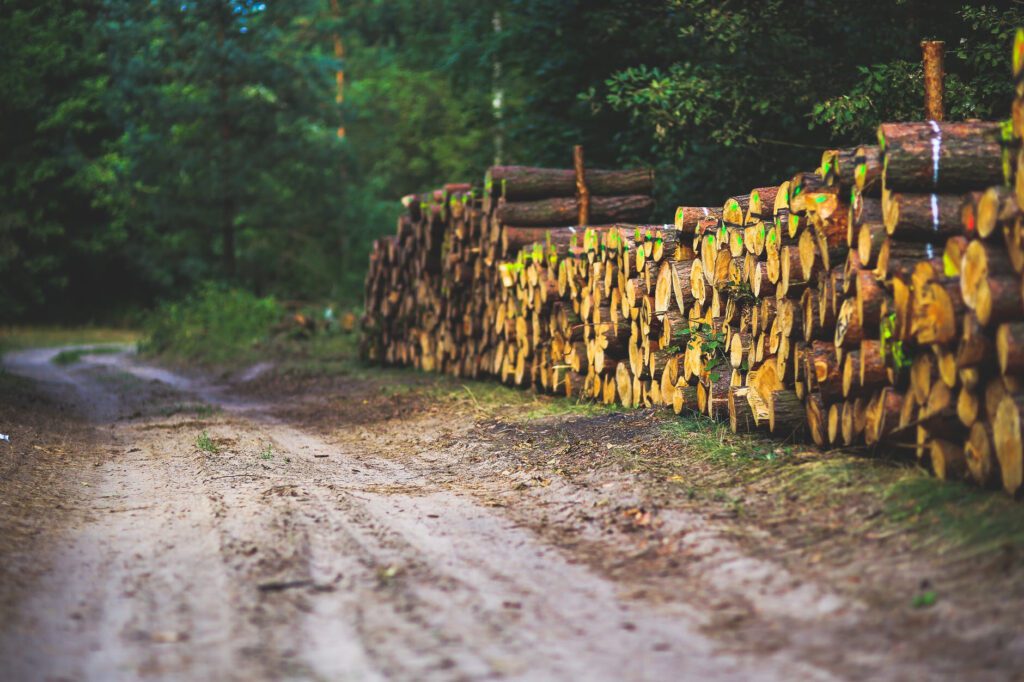
There are major concerns that, due to increased demand and other factors , supplies of wood may start running low.
We’ve spoken to many wood sellers who say that difficulties in maintaining regular supplies from Eastern Europe, where a large amount of our kiln died wood comes from, may mean lower stocks than normal.
By stocking up now, you can actually help wood sellers who, at the moment at least, have pretty much plentiful supplies.
Experts advise that buying early will allow merchants to restock early, thus reducing the usual midwinter ‘mad dash’.
#3 Get Maximum Heat: Work Those Air Controls!

Most customers we meet for the first time haven’t got a clue how to use their appliance’s air controls properly.
Yet this knowledge is invaluable for ensuring you’re getting the most amount of heat for your money, and also keeping the flue as soot-free as possible.
Dig out the instruction manual for your stove, or if you don’t have one, search online. If you’re struggling to identify the make of your stove, your sweep should be able to assist.
Also, don’t forget to check out the Burnright website, which is packed full of great hints and tips on how to choose the right fuel and burn in the correct manner.
#4 Be Aware of Overnight Burning Issues
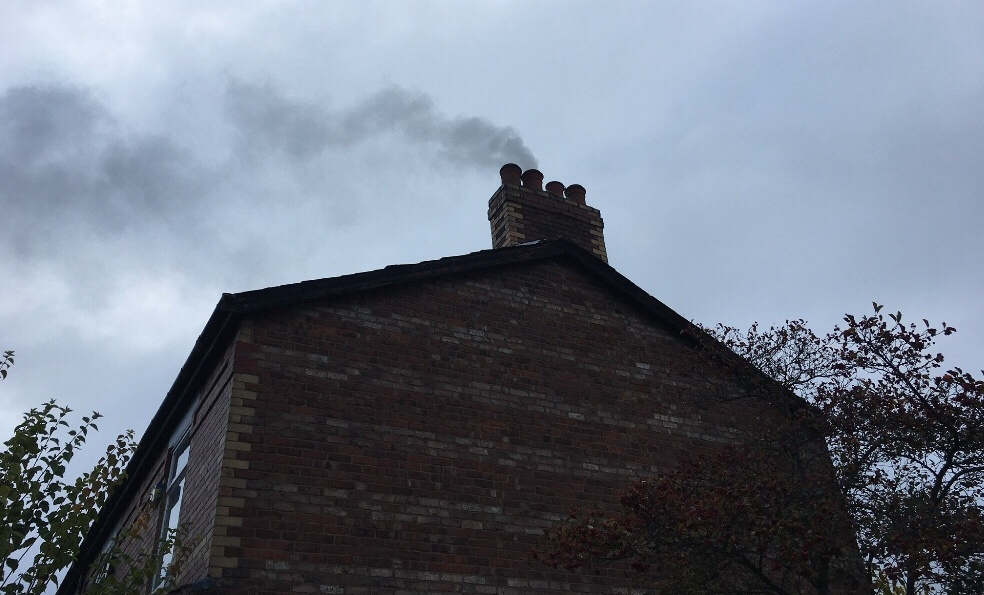
Letting a fire burn slowly overnight is tempting. However, there are some issues you need to be aware of.
Firstly, you’ll produce massive amounts of smoke, and therefore pollution.
That smoke condenses in your chimney and, at best, turns into soot. At worst, it can turn into tar and creosote – great ingredients for a chimney fire.
Oh, and did we mention it’s a sure-fire way of wrecking your chimney liner?
Generally, we advise letting the fire die out naturally at night and then relighting in the morning. It just takes a few minutes and before long you’ll be getting lots of heat once again.
Overnight burning was the norm many years ago, but these days – with newer appliances and chimney systems – we wouldn’t really recommend it.
#5 Thwart The ‘Silent Killer’ – Be Carbon Monoxide Aware
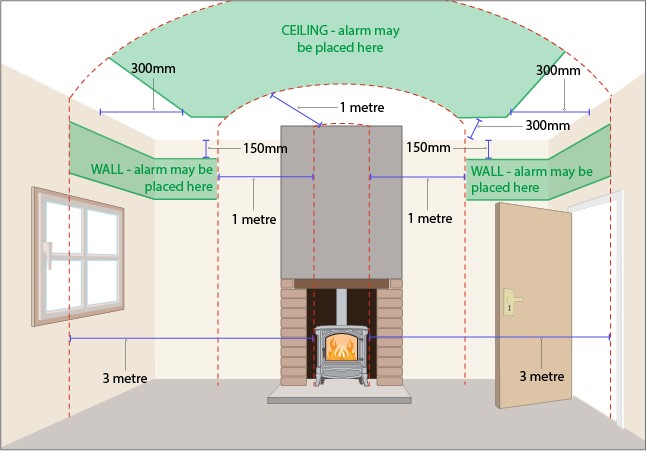
If anything goes wrong and your appliance starts emitting carbon monoxide, you want to be able to act fast.
The issue is that Carbon Monoxide is a ‘silent killer’ – you can’t see, smell or taste it. So a Carbon Monoxide alarm is essential.
Make sure that it’s not only working, but that it’s placed in the correct position, as depicted in the illustration above. It can literally be a lifesaver.


